TALK TO OUR EXPERTS
- +255 655 477 728

Tour Overview
Day by Day Activity
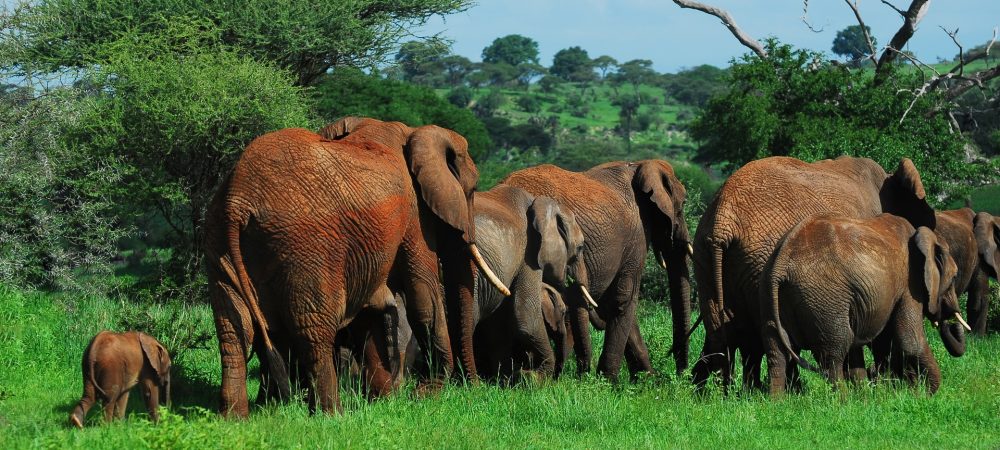
Tarangire National Park, located in Tanzania’s Manyara Region, covers approximately 2,850 square kilometres (1,100 square miles). The park features a diverse landscape of granitic ridges, river valleys, open plains, and seasonal swamps, creating a rich natural habitat for wildlife.
The park takes its name from the Tarangire River, an important water source that attracts large numbers of animals, particularly during the dry season. Established in 1970, Tarangire is one of Tanzania’s largest national parks and an important destination on the country’s Northern Safari Circuit.
Why Visit Tarangire National Park?
Abundant Wildlife: Tarangire is famous for its large elephant population, with herds sometimes numbering hundreds of individuals. Other animals commonly found in the park include zebras, giraffes, buffaloes, gerenuks, warthogs, lions, leopards, and hyenas. The dry season, from June to October, offers excellent wildlife-viewing opportunities as animals gather around the Tarangire River, one of the park’s most important permanent water sources.
Bird Watching: With more than 500 recorded bird species, Tarangire is an excellent destination for birdwatching enthusiasts. Notable species include bateleur eagles, yellow-collared lovebirds, hornbills, kori bustards, and lappet-faced vultures. Birds can be spotted across different habitats, from acacia woodlands to the areas surrounding the Tarangire River.
Scenic Beauty: Tarangire’s landscapes are among its most distinctive features. The park is characterised by ancient baobab trees, acacia woodlands, seasonal swamps, open savannah plains, and impressive anthills. These varied landscapes create beautiful scenery and excellent opportunities for wildlife photography.
Accessibility: Tarangire National Park is approximately 198 kilometres from Moshi, making it a convenient safari destination to visit before or after climbing Mount Kilimanjaro. Its location also makes it an excellent addition to a Northern Tanzania safari itinerary.