TALK TO OUR EXPERTS
- +255 655 477 728

Tour Overview
Your unforgettable journey with Wild Excursions Safaris begins with a morning pick-up from your hotel in Arusha, where your professional safari guide will warmly welcome you before setting off towards the spectacular Lake Manyara National Park. Nestled beneath the dramatic Great Rift Valley Escarpment, this beautiful park is renowned for its lush groundwater forests, open grasslands, shimmering alkaline lake, and remarkable diversity of wildlife. Enjoy a leisurely game drive through its varied landscapes while searching for elephants, giraffes, buffaloes, zebras, hippos, baboons, blue monkeys, and the park’s famous tree-climbing lions. Bird enthusiasts will also delight in spotting colourful kingfishers, pelicans, hornbills, storks, flamingos (seasonal), and many other species.
ITINERARY
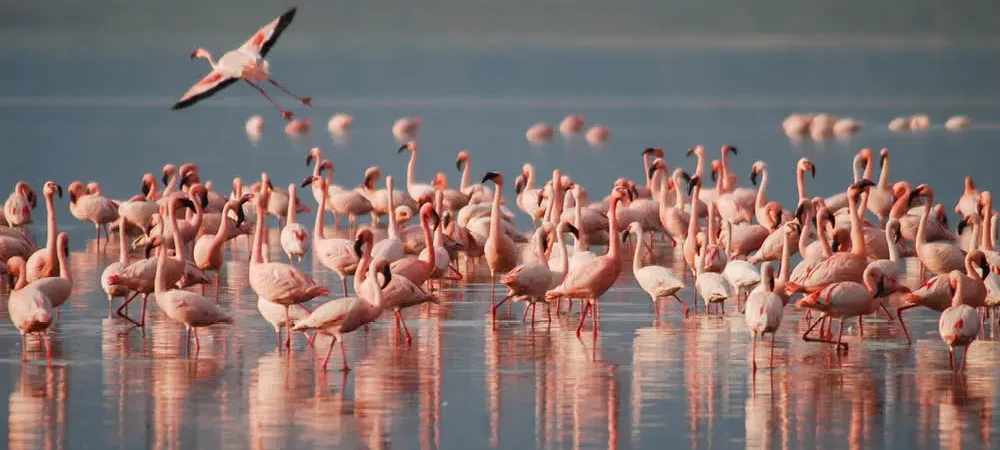
Your adventure begins with an early morning pick-up from your hotel in Arusha around 8:30 AM, setting out towards the vibrant and diverse Lake Manyara National Park. As you drive through scenic landscapes and arrive for a full-day game drive with a picnic lunch, you’ll enter a park famed for its dense groundwater forest, open floodplains, and the glimmering soda lake that once drew flocks of flamingos. Keep an eye out for many species of birds, primates, buffalos, warthogs, and more. As dusk settles, you’ll head to your lodge or camp to relax and enjoy a warm, delicious dinner.
Approximate transfer time: 2.5 hours (114 km)
About Lake Manyara:
Nestled in the Great Rift Valley just 2 hours from Arusha, Lake Manyara National Park is surrounded by escarpments, sparkling waters, and lush greenery. Ernest Hemingway once called it the "loveliest lake in Africa." The park contains diverse habitats — from thick rainforests and wetlands to savannas and acacia forests. A large part of the park is submerged under water, making game drives shorter compared to other parks.
Lake Manyara is renowned for its unique add-ons like canoeing, treetop walkways, and night drives, which set it apart from Tanzania’s other safari destinations.
Wildlife at Lake Manyara:
The park is famously home to tree-climbing lions, often seen resting on branches. Troops of olive baboons, blue monkeys, and vervet monkeys thrive in the dense forests, while zebras, giraffes, wildebeest, impalas, and buffalo graze in the open plains.
Birdlife is exceptional, with over 400 recorded species. Expect to spot flamingos (in the right season), pelicans, storks, egrets, colorful bee-eaters, hornbills, and raptors like the African fish eagle.
RECOMMENDED PROPERTIES TO STAY
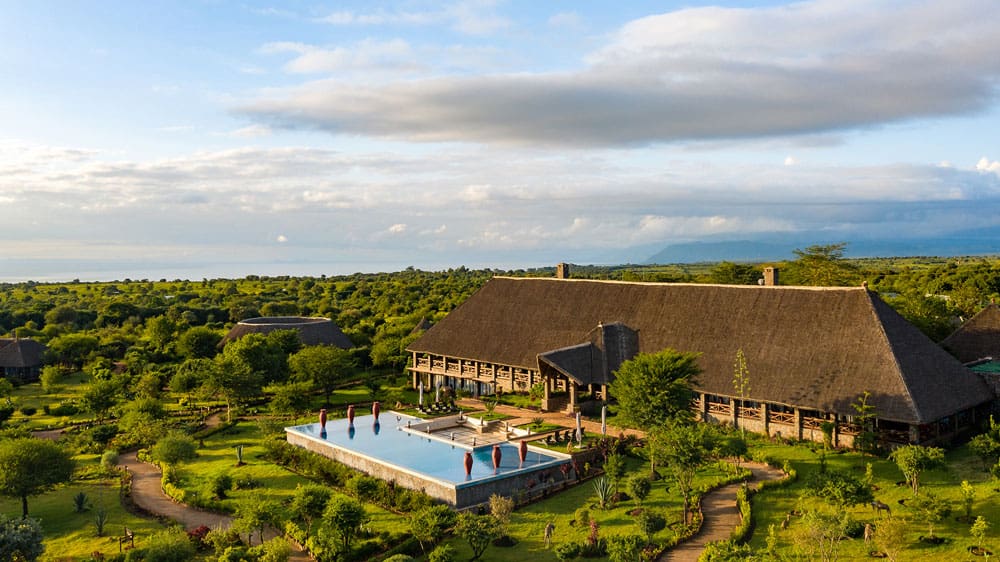
Meal Plan :
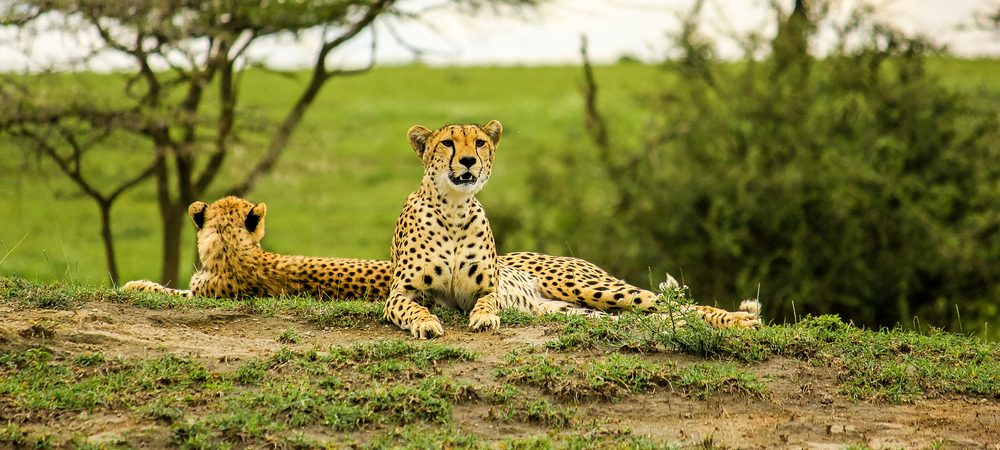
After an early breakfast, begin your scenic drive toward the world-famous Serengeti National Park, passing through the misty highlands of Karatu and into the Ngorongoro Conservation Area. It’s a 5-hour journey (192 km) of changing landscapes — from lush farms to sweeping savannahs — before arriving in the Central Serengeti by early afternoon. Known as the Seronera region, this area is teeming with wildlife year-round thanks to the life-giving Seronera River. After lunch, enjoy your first thrilling game drive in the park before settling into your camp or lodge in the wild. Expect to see lions, cheetahs, elephants, and a rich variety of plains game on this unforgettable day.
About Central Serengeti:
Central Serengeti is the beating heart of Tanzania’s safari experience, famous for its vast open plains and home to the annual Great Migration. This area is a stronghold for predator activity and offers some of the best year-round game viewing. Its diverse habitats — swamps, rivers, kopjes, and woodlands — support an incredible range of wildlife. One of its iconic kopjes, known as Simba Kopje, even inspired Disney’s Pride Rock in The Lion King.
At the heart of it lies the Seronera River Valley, often called the Big Cat Capital of Africa, thanks to its dense population of lions, leopards, and cheetahs.
Wildlife at Central Serengeti:
The Central Serengeti, particularly the Seronera Valley, is one of the most wildlife-rich areas in all of Africa. This region is a year-round safari hotspot where you’ll often spot large prides of lions basking in the sun or stalking prey through the tall grass. The elusive leopard is frequently seen lounging in acacia trees along the Seronera River, while cheetahs scan the plains for gazelles. Massive herds of elephants roam through the woodlands, often joined by giraffes, zebras, wildebeest, and warthogs. The area is also known for its thriving hyena clans, often spotted in the early mornings or near carcasses.
Birdwatchers will be delighted by the variety of species here — from colorful lilac-breasted rollers and Fischer’s lovebirds to ostriches, kori bustards, and martial eagles. The permanent water sources in Seronera draw a constant stream of animals, especially during the dry season, creating excellent game-viewing opportunities throughout the day.
RECOMMENDED PROPERTIES TO STAY
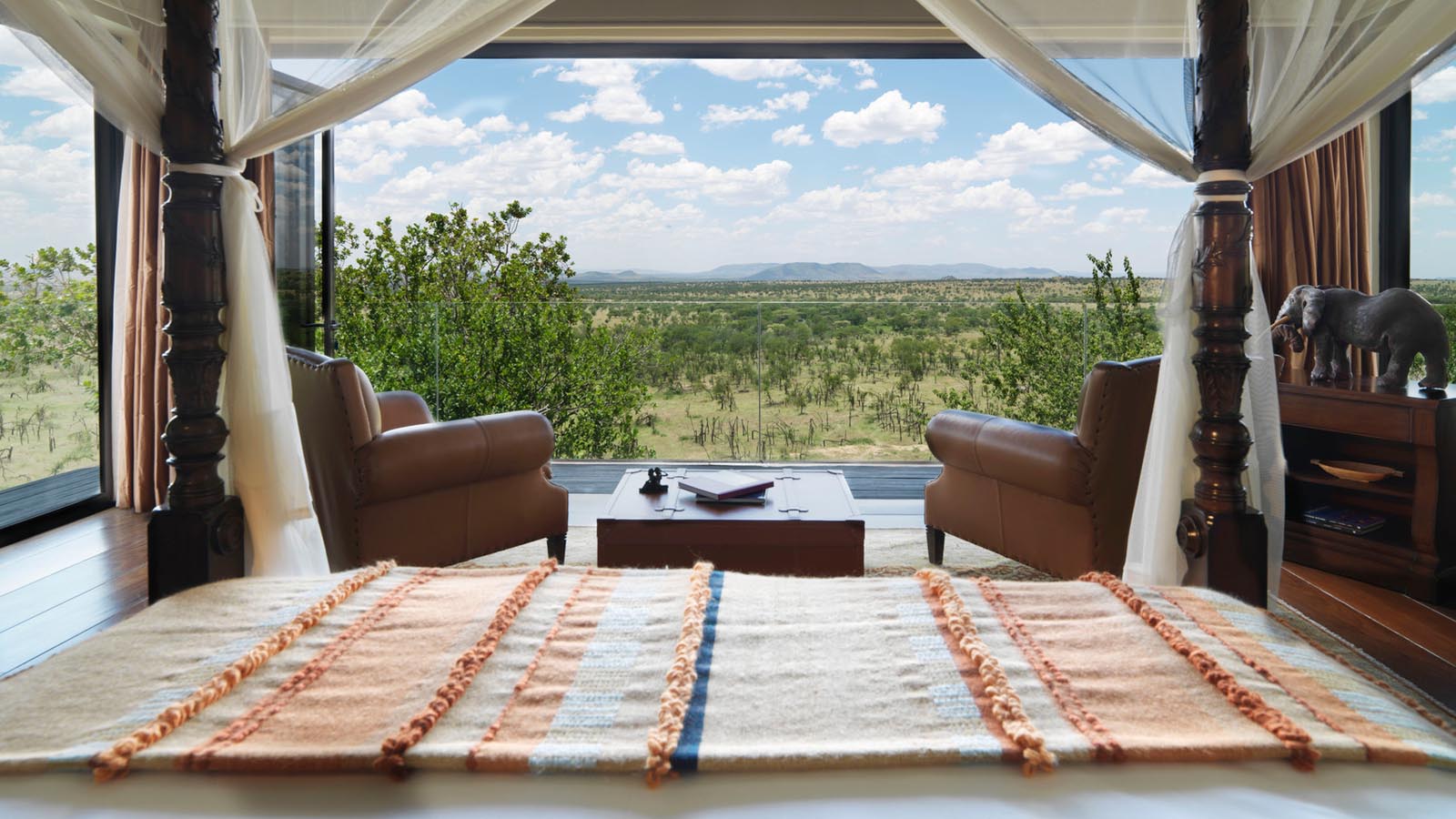
Meal Plan :
These two days are your window into the soul of the Serengeti — a chance to fully immerse yourself in its vast, wildlife-rich plains. Your schedule is flexible to maximize your safari experience. You can begin with a relaxed breakfast around 8:30 AM before embarking on a full-day game drive with a packed picnic lunch. Alternatively, for those eager to catch the predators at their most active, you can head out on an early morning game drive at 6:00 AM, returning to your accommodation for a late breakfast before an afternoon game drive.
With picnic lunches packed, your primary focus will be the Seronera region. Known as the "Big Cat Capital of Africa," this area is the beating heart of the Serengeti's predator action. Your expert guide will take you to known leopard territories along the Seronera River, where these elusive cats often lounge in acacia trees, or track large prides of lions basking on rocky kopjes. If you're visiting outside the peak migration months, these incredible predator sightings will be the undeniable highlight of your safari. You will also encounter massive herds of elephants, towering giraffes, and a rich variety of plains game like wildebeest and zebras.
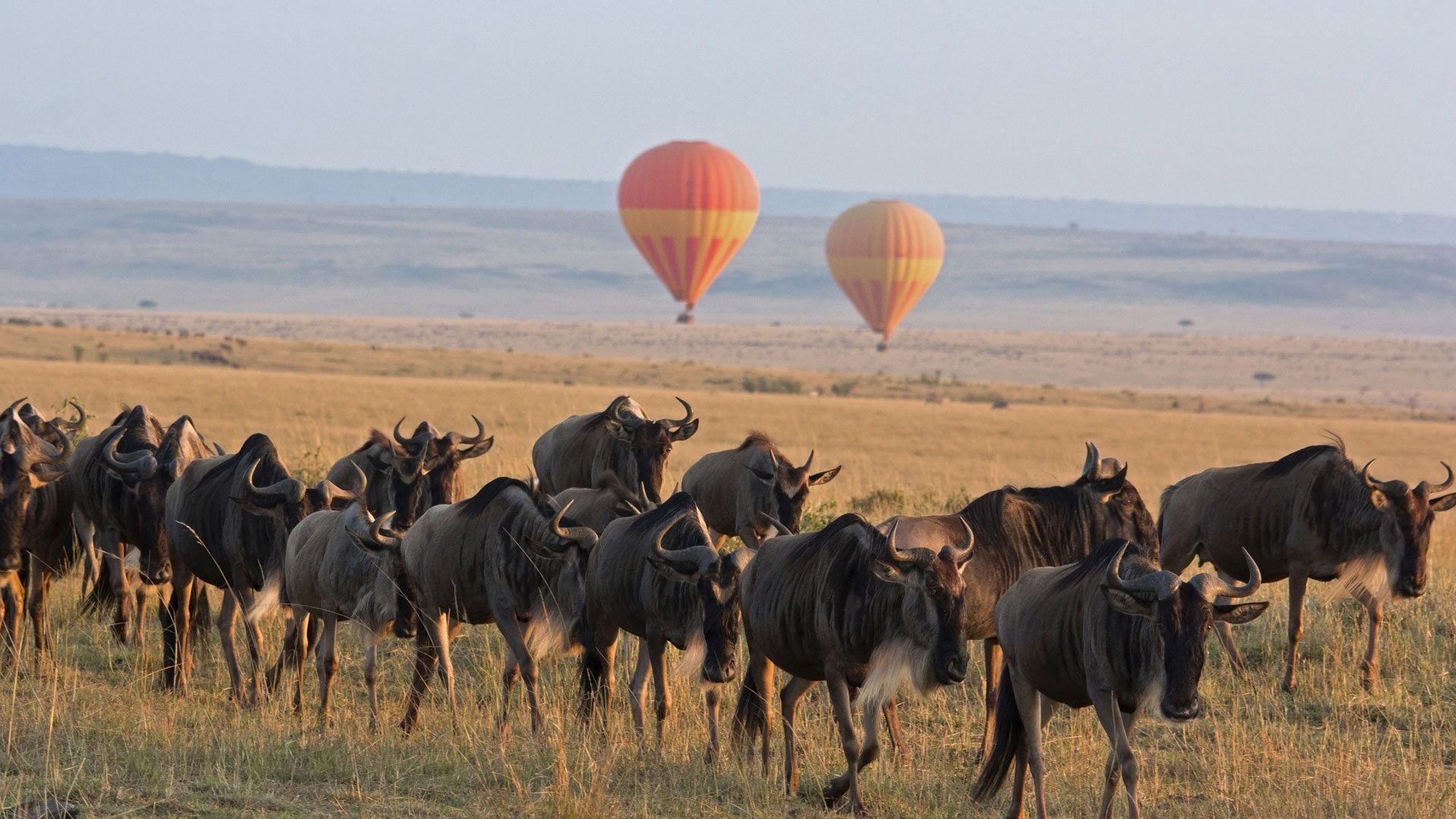
These two days are also the perfect time to explore additional activities in Central Serengeti. For an unforgettable and breathtaking experience, consider an optional Hot Air Balloon Safari. Soar silently above the vast plains at sunrise, witnessing the herds of wildebeest and gazelles from a different perspective as the landscape unfolds beneath you. The safari concludes with a classic champagne bush breakfast. For those who want to get closer to the ecosystem, a Walking Safari is an excellent choice. Accompanied by armed rangers and knowledgeable guides, you'll step out of the vehicle to learn about animal tracks, medicinal plants, and the intricate details of the ecosystem up close.
Game drives typically conclude as the sun begins to set, around 5:00–6:00 PM, giving you time to unwind back at your accommodation. You can relax around a campfire, share stories of the day's sightings, and enjoy a warm, delicious dinner under the star-filled African sky.
Additional Activities in Serengeti:
- Hot Air Balloon Safari – Soar above the Serengeti at sunrise for breathtaking aerial views, followed by a champagne bush breakfast.
Duration: 1 hour | Price: USD 500 per person - Walking Safari – Explore the bush on foot with armed rangers and guides, learning about animal tracks, plants, and ecosystems.
Short Walk: 4 hours | USD 45 per person
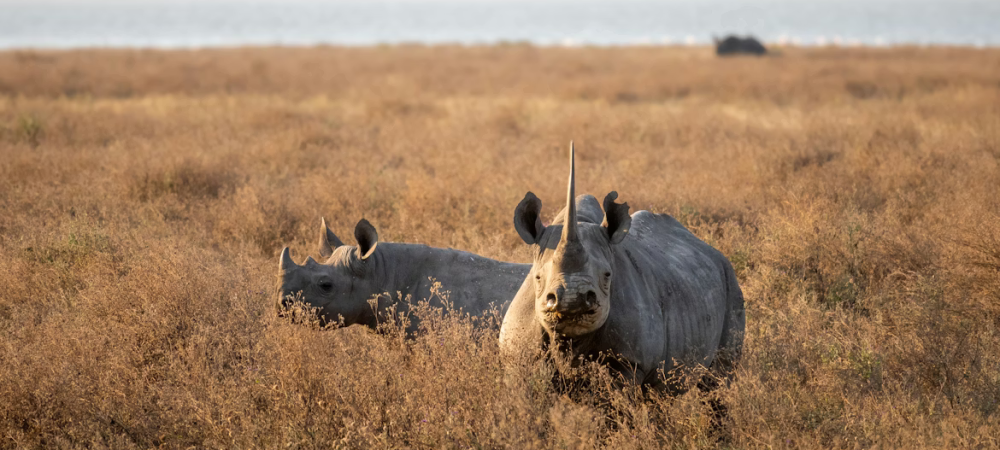
Long Walk: 6 hours | USD 60 per person - Rhino Tracking (Moru Region) – Join a thrilling guided walk to track rhinos and learn about their conservation.
Duration: 45 mins–2 hours | Price: USD 130 per person - Research Center Visit (Seronera) – Discover conservation projects, predator behavior, and ecological studies at the Serengeti Research Centre.
RECOMMENDED PROPERTIES TO STAY
Meal Plan :
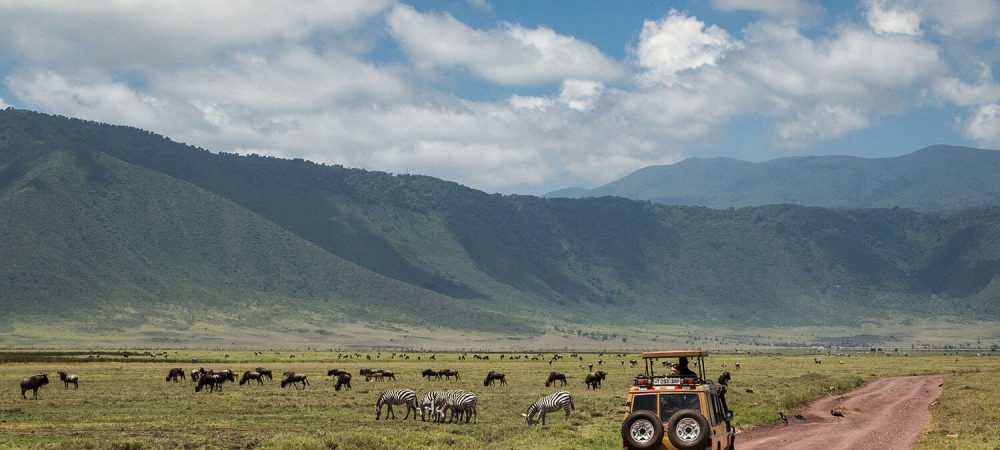
Start the day early with a descent into the Ngorongoro Crater around 6:30–7:00 AM for a 5-hour game drive on the crater floor. The scenery here is unmatched — a vast, enclosed ecosystem alive with black rhinos, lions, elephants, hippos, flamingos, and more. After a scenic picnic lunch at the Hippo Pool, begin the steep ascent out of the crater and continue onward to Karatu or Tarangire. The journey takes around 1.5–2 hours (108 km). By evening, arrive at your lodge or camp, where you can relax and enjoy a hearty dinner. This day is one of the most rewarding and diverse safari experiences of the entire itinerary.
About Ngorongoro Conservation Area:
A UNESCO World Heritage Site, Ngorongoro is often called Africa’s Garden of Eden. The conservation area is home to the spectacular crater itself and the famous Olduvai Gorge, known as the Cradle of Humanity. Beyond its wildlife, the area also offers cultural immersion with Maasai villages and adventure opportunities such as highland hikes. Expect spectacular views, thriving ecosystems, and a chance to experience both wildlife and human history in one destination. Bird enthusiasts will also find the region rewarding, with opportunities to spot and document diverse species across different habitats.
Wildlife at Ngorongoro Crater:
Ngorongoro boasts one of the highest concentrations of wildlife in Africa, making it one of the few places where you can potentially spot the Big Five (lion, leopard, elephant, buffalo, and black rhino) in a single game drive. The crater floor is alive with hippos basking in freshwater pools, bull elephants grazing, and large prides of lions patrolling the grasslands. You’ll also find spotted hyenas, golden jackals, and even servals here.
Birdlife is equally stunning — especially between November and April, when migratory birds flock to the crater. Lake Magadi becomes a dazzling pink spectacle with thousands of lesser flamingos, while crowned cranes, augur buzzards, Egyptian geese, and storks dot the skies and wetlands.
RECOMMENDED PROPERTIES TO STAY
Meal Plan :
Your final safari day begins with breakfast around 7:30–8:00 AM, followed by a half-day game drive in Tarangire National Park. Famous for its towering baobab trees and vast elephant herds, Tarangire offers a memorable farewell with sightings of giraffes, zebras, lions, and more. After the game drive and a packed lunch, you’ll return to Arusha by mid to late afternoon after a 2.5–3 hour (106 km) drive. From there, you’ll catch a 1–1.2 hour flight to Zanzibar, followed by a 1.5 hour transfer to your beach hotel. With your safari chapter complete, the tropical paradise of Zanzibar awaits as the next leg of your East African journey.
About Tarangire:
Often called the hidden gem of the Northern Circuit, Tarangire is a stunning landscape of rolling savannahs, baobab-studded plains, swamps, and woodlands. The lifeblood of the park, the Tarangire River, flows year-round and attracts massive concentrations of wildlife, especially during the dry season. Herds of elephants, wildebeest, and buffalo gather in huge numbers here, alongside Maasai pastoral lands and the scenic backdrop of the Great Rift Valley. Game viewing is excellent, with visibility increasing dramatically during the dry months when animals congregate around water sources.
Wildlife at Tarangire:
Tarangire is best known for its large elephant herds, sometimes numbering in the hundreds, and often seen interacting at close range. Lions, leopards, and cheetahs roam the plains, stalking herds of impala, eland, and oryx. Giraffes stride elegantly through acacia woodlands, while buffalo wallow in muddy pools. The park is also one of East Africa’s top birdwatching destinations, boasting over 500 species. Look out for colorful yellow-collared lovebirds, lilac-breasted rollers, and red-and-yellow barbets. Waterbirds such as saddle-billed storks, African skimmers, and herons thrive along swamps, while raptors like bateleurs and tawny eagles dominate the skies.
RECOMMENDED PROPERTIES TO STAY
Meal Plan :
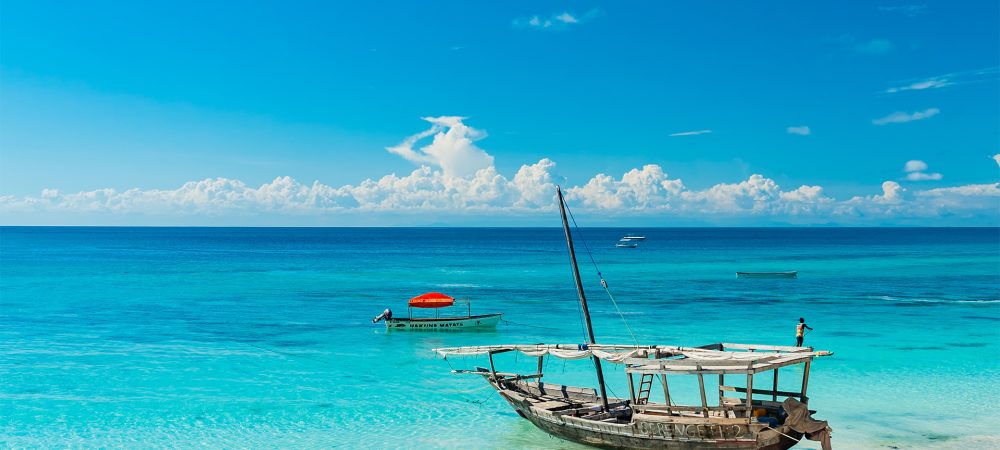
Over the next three days, immerse yourself in the serene coastal charm of Zanzibar. From lounging on white-sand beaches and savoring Swahili cuisine to indulging in activities like snorkeling, spice tours, dolphin encounters, or exploring Stone Town’s cultural past — there’s something for every kind of traveler. This portion of your journey is about unwinding and recharging, where the roar of lions is replaced by the gentle rhythm of waves. On Day 10, depending on your return flight, enjoy a leisurely morning before your transfer to Zanzibar Airport.
About Zanzibar:
Known as the “Spice Island”, Zanzibar is a tropical paradise that combines historical intrigue with coastal beauty. Its UNESCO-listed Stone Town enchants with narrow alleys, Swahili architecture, and centuries of cultural blending, while the island’s beaches — from vibrant Nungwi to serene Kendwa — invite you with powdery white sands and crystal-clear waters. The island’s fusion of African, Arabic, Indian, and European cultures is reflected in its food, music, and traditions, making Zanzibar a perfect post-safari retreat.
Wildlife & Marine Life in Zanzibar:
While Zanzibar is not a safari destination, it offers rich marine biodiversity. Snorkeling or diving reveals dolphins, sea turtles, coral reefs, and tropical fish. On land, the Jozani Forest shelters the rare red colobus monkey and several bird species, making it a haven for eco-tourists and nature enthusiasts.
RECOMMENDED PROPERTIES TO STAY
Meal Plan :
What's Included
Private 4×4 safari vehicle with pop-up roof
Professional English-speaking driver/guide
All national park & Ngorongoro Crater fees
All accommodation as per itinerary
All meals as per itinerary
Bottled water during game drives
Airport pickup and drop-off (JRO)
Government taxes and levies
Domestic flight
What's Exclusive
International flight
Travel insurance
Tanzania visa fees
Alcoholic and soft beverages
Guide/driver gratuity
Personal expenses and laundry
Optional hot-air balloon safari
RECOMMENDED PACKAGES
7-Day Kenya & Tanzania Safari – Amboseli, Serengeti & Ngorongoro Crater
This 7-day safari connects Amboseli in Kenya with Tanzania’s Northern Circuit, creating a journey that feels varied and complete without unnecessary movement.
- COMFORT
- Classic Safari
From $ 3000 p.p
Meru trek in 4 days
Mount meru stands tall at 4566m and is the second highest mountain in Tanzania. Mount Meru is located in the Arusha national park and it offers one of the most breathtaking scenery
- COMFORT
- Classic Safari
From $ 1360 p.p
Umbwe in 7 days
The Umbwe Route is steeper and shorter than the Machame Route. Once at the Barranco Hut you continue on with the other Machame hikers.
- COMFORT
- Classic Safari
From $ 2287 p.p
Northern Circuit in 8 days
The Northern Circuit is the newest route up Kilimanjaro and also the longest. Because of its length, the Northern Circuit has the highest summit success rate.
- COMFORT
- Classic Safari
From $ 2337 p.p
Rongai in 7 days
The Rongai Route is one of the easiest routes and the success rate is very high. The route starts on the north side of the mountain just south of the Kenyan border .
- COMFORT
- Classic Safari
From $ 2267 p.p
Marangu in 6 days
Marangu route which is also known as the coca cola route is the least expensive route to the summit. This is also the only route with the comforts of sleeping huts at every camp
- COMFORT
- Classic Safari
From $ 1818 p.p
Machame in 7 days
Nicknamed the “Whiskey” route because the route is popularized as somewhat difficult and more expensive than Marangu route.
- COMFORT
- Classic Safari
From $ 1987 p.p
Lemosho in 7-8 days
Lemosho route is one of the best routes for acclimatization. The route is less used and a beautiful way up to the Shira Plateau.
- COMFORT
- Classic Safari
From $ 2150 p.p
4-Day Akagera Safari and Chimpanzee Trekking Experience
This trip takes you around to experience Rwanda’s wildlife safaris and the boat cruise experiences of Akagera National Park. You will take your adventures
- COMFORT
- Classic Safari
From $ 3450 p.p
3-Day Rwanda Gorilla Trekking Safari
Experience one of Africa’s most extraordinary wildlife adventures on this 3-Day Rwanda Gorilla Trekking Safari. This short but rewarding journey .
- COMFORT
- Classic Safari